
Literary Pub Crawlers last night in #fitzrovia and #Soho from Venezuela, Canada, NY, LA, Cork, Mexico, Puerto Rico….. and Sevenoaks! 🏴 #londonliterarypubcrawl
Nick Hennegan's Bohemian Britain
Lifestyle tales from the city
Literary Pub Crawlers last night in #fitzrovia and #Soho from Venezuela, Canada, NY, LA, Cork, Mexico, Puerto Rico….. and Sevenoaks! 🏴 #londonliterarypubcrawl
🍷🍷🍷🍷 🍷 – 5 stars out of 5. Plus a packet of crisps!
Two by Jim Cartwright – till 29th April, 2023.
Nicholas Hennegan and The Maverick Theatre Company at the Theatre At The Tabard, 2 Bath Road, London, W4 1LW.

Jim Cartwright’s TWO is the story of one night in a Working Class Pub. Presumably somewhere ‘Oop North’. But the location doesn’t really matter. It could easily be in Chiswick, West London. Cartwright is a Northern Playwright, but the assorted characters we meet as they pass through the unnamed pub are universal. We meet an older woman, looking after a frail, bedridden husband, lusting after the local butcher and taking her reward for the day in a glass of Guinness. There’s an old man, now a widower, but philosophically and without bitterness still spending time with the presence of his dead wife and recalling her “soft cotton hair”. There’s Moth, boyfriend of Maudie and a not-so-young man who can’t help but attempt to seduce, epically unsuccessfully, every woman he comes across. A lost little boy who’s been left in the pub by his forgetful Father. A lustful woman who likes “big men” but who’s own husband is a loved, but “compact chap” and finally has enough. There’s Roy, shockingly posh abuser of his wife, Lesley. And the overweight, loveable and loved Elvis and Western movie fans Fred and Alice (Elvis Presley died from a choked bum, by the way!) And the Other Woman who has had enough of furtive affair meetings in hotels and car parks and has decided to confront her lover… and his wife… in the pub. And against all this are the bickering Landlord and Landlady who hold the pub together in spite of their obvious dislike for each other. Or is it an obvious dislike? We find out that this normal night is not, perhaps, so normal.
The impressive thing with this production is that all the characters coming and going through the busy pub are the same people! Or at least, the same two people. Claire Louise Amias and Greg Snowden give magnificent performances that are lithe and completely believable. Assured direction from Richard Woolnough ensures the action never lags. It’s also incredible that so much is squeezed into such a short time. We started at 7.30pm and even with Two Acts and an Interval, we were back in the ‘real’ pub downstairs before 9pm. But spoiler alert. Parts are hilarious. But parts are shocking. Take your tissues!
The Maverick Theatre Company are known for creating great nights out. And this is another one of those great nights. Go see Two. You may become a regular.
REVIEWER: Billie Andrews.
TICKETS: £18 full price/£15 concessions. Limited number of premium on stage seats available for £20.
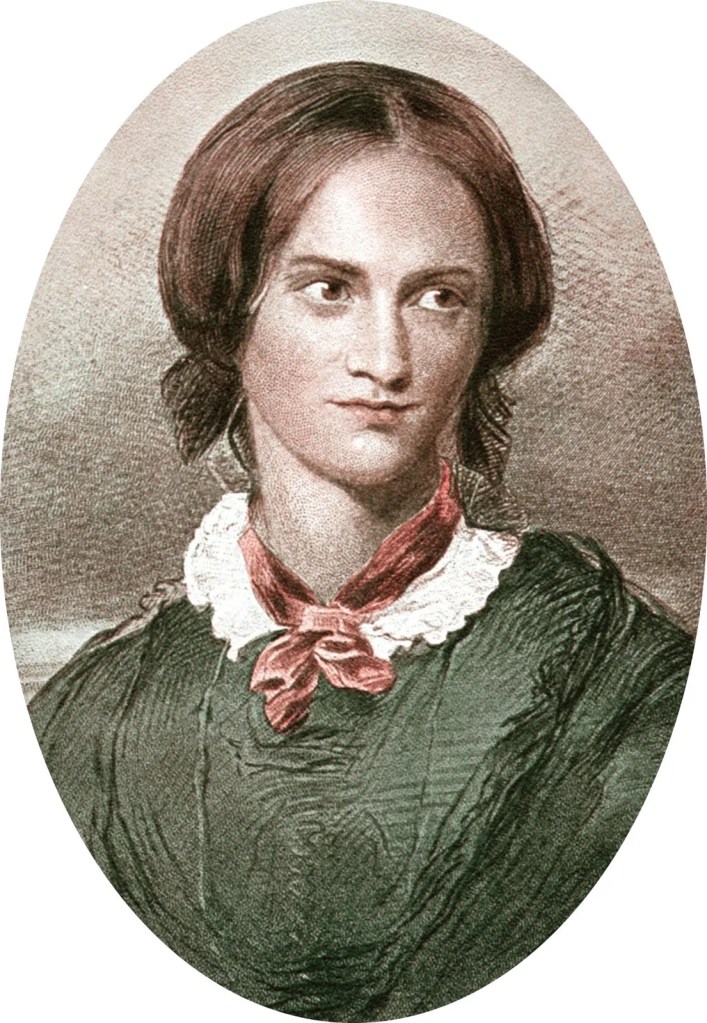
Nick Hennegan celebrates the birth on 21st April 1816 of Charlotte Bronte. We all know she was the author of Jane Eyre, but she also wrote poetry. Nick looks at her life and poetry.
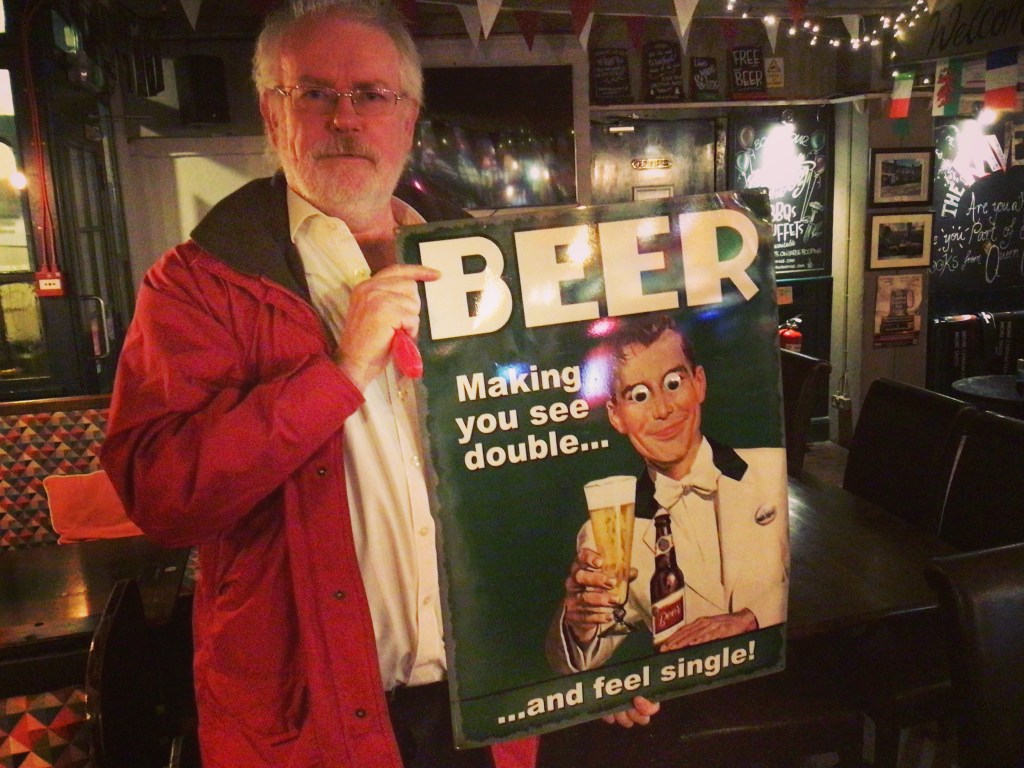
Our Production of Two is about to open in London.
I love this pic of Director Richard with a crucial bit of set dressing from @w6raven for tonight’s first performance of the comedy drama set in a #Pub – Two! https://tabard.org.uk/whats-on/two/ Come an see us @theatreattabard. Cheers! 
Nick Hennegan talks to actors Claire Louise Amias, Greg Snowden and director Richard Woolnough live from Gerry’s Club in Soho, about their forthcoming Maverick Theatre production, TWO by Jim Cartwright at the Tabard Pub Theatre in Chiswick, London, W4. Cheers!
For details, see https://tabard.org.uk/whats-on/two/


This week on ‘Literary London’, Nick Hennegan (who, as you will hear, has had his new phone stolen!) plays your requests, with music and poetry from The Pogues, WB Yeats and The Dubliners. — Send in a voice message: https://podcasters.spotify.com/pod/show/bohemianbritain/message
A quick look backstage at Maverick Theatre’s production of TWO, by Jim Cartwright. This was the last night at the Theatre at the Tabard in Chiswick, London W4. Weeks of standing ovations, sold-out houses and tearful audiences! (For all the right reasons!) Now we tour!

This week on Literary London, Nick Hennegan’s celebrity poem has a moving insight into Lord Melvyn Bragg’s past. He also introduces his Literary Pub of The Week – The George in Southwark, London.
I’m in Birmingham, Britain’s Second City and my beloved (if neglectful!) hometown. I love that there are still vibrant old pubs on old trading routes.
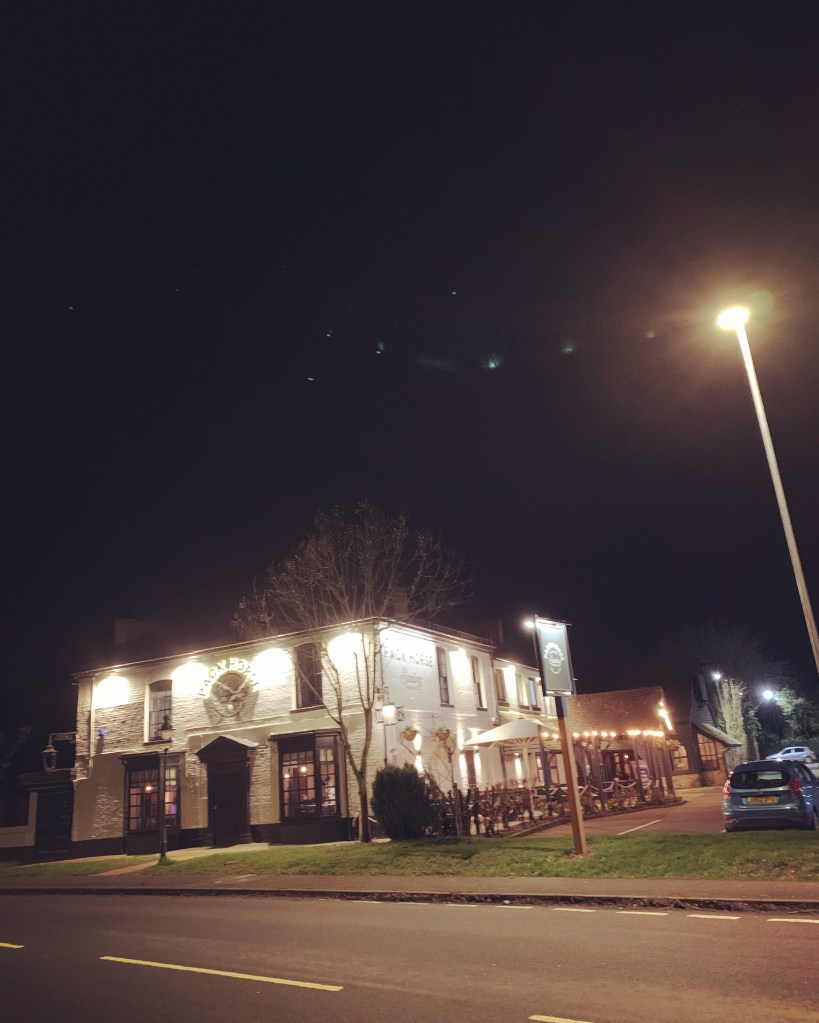
Like this, The Packhorse, in Hollywood, a few miles from Birmingham city centre, on the old route to Stratford-upon-Avon, Oxford and ultimately London. Updated from the 1800’s but still it still feels aptly named. And it also still feels miles from anywhere – as it was in the pre-housing estate days of horse haulage!
Cheers!
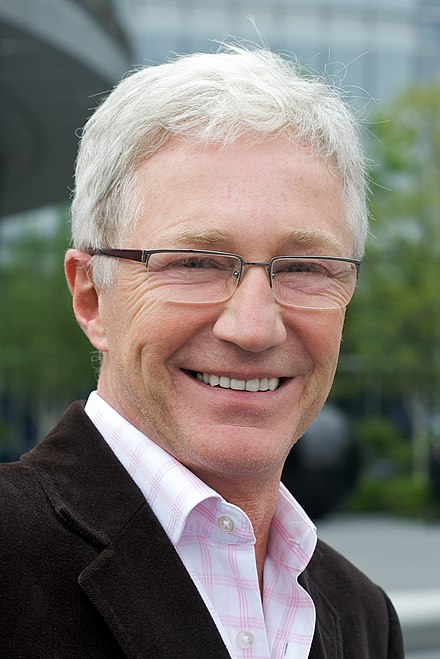
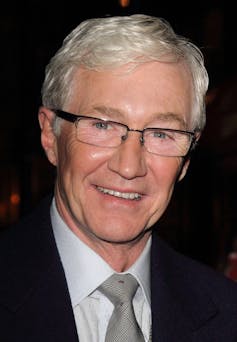
I was saddened to hear of the passing of Paul O’Grady. I first came across him when I was with a gay friend in a bar in Birmingham. Paul kissed me! Well, actually, Lilly Savage did as part of his act. I was the but of a joke! Paul went on to do a lot of panto and theatre work in Birmingham. And ‘drag’ is a term from Shakespeare’s day.
Here’s an interesting piece on Paul from The Conversation.
Many among the British public will mourn Paul O’Grady, the beloved television host, philanthropist and drag queen, who has died at the age of 67.
He brightened up the stage and screen over the years with hilarious one-liners, quick wit and loveable charm, and heightened LGBTQ+ awareness through appearances as his catty but captivating alter ego, Lily Savage.
Numerous celebrities and public figures have paid tribute to O’Grady, including Camilla the Queen Consort, who stated that O’Grady’s “warm heart and infectious humour lit up the lives of so many”. Others remembered his “fearlessness”, evident in his public criticisms of Conservative MPs and government legislation.
O’Grady was also greatly remembered by an array of prominent LGBTQ+ figures and British drag talent. LGBTQ+ rights campaigner Peter Tatchell recognised O’Grady’s “admirable” campaigns for equality, while RuPaul’s Drag Race UK winner Danny Beard said:
It goes unsaid the work that Paul’s done for the queer community, for me personally, and for many other little gay boys who want to put a dress on.
O’Grady began his career at London’s Royal Vauxhall Tavern as Lily Savage in the early 1980s, where he became popular with queer locals. Lily demonstrated drag’s entertainment factor at times of uncertainty and rampant homophobia, and fans have spoken of a memorable instance when the tavern was raided during the Aids crisis.
Police entered with gloves, to which Lily hilariously responded: “Look, they’ve come to help with the washing up!” Lily would soon be making appearances at other club and theatre venues, such as the Bloomsbury Theatre and gay nightclub Heaven. However, she would gain major recognition through her regular appearances at the Edinburgh Fringe and on TV.
In 1997 she was given her own talk show on the BBC – The Lily Savage Show – with its popularity leading to arguably her biggest career break hosting the popular longstanding game show Blankety Blank (1997-2002). After this successful run, O’Grady began to step back from Lily and appear more as himself, with a number of popular programmes such as The Paul O’Grady Show and For the Love of Dogs.
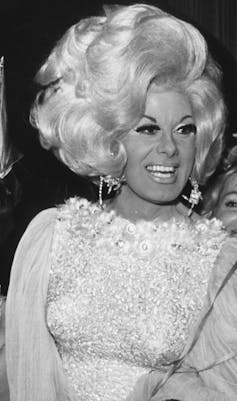
Lily Savage was often hailed as an inspirational artist within drag’s rich and cultural history in the UK. In his book Drag: A British History, Jacob Bloomfield notes its impact, and how drag artists have consistently asserted themselves as some of the most “renowned and significant entertainers of their day”.
The term “drag” dates back to Shakespeare with men playing women’s roles. From the 18th to the 20th centuries, drag was primarily confined to underground bars and vaudeville houses due to the criminalisation of homosexuality, with performers such as Princess Seraphina and Julian Eltinge demonstrating drag’s entertainment value.
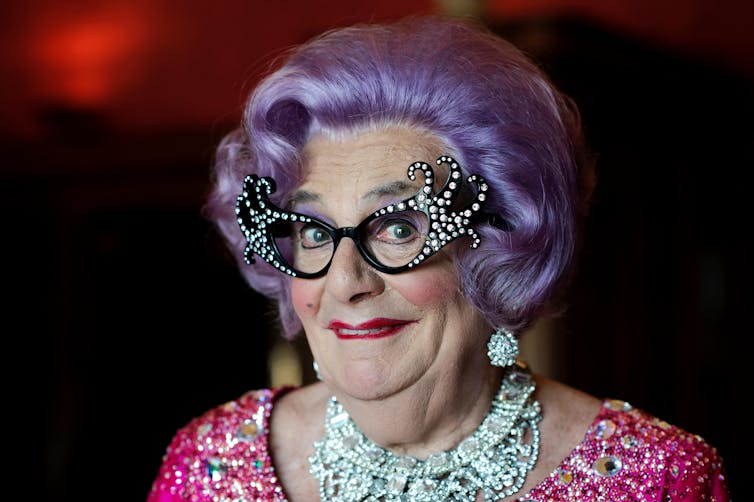
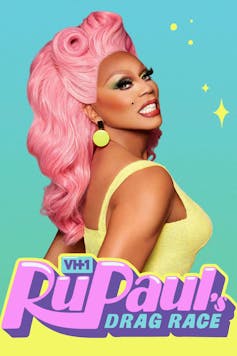
In later years, drag would become more popular due to comedic queens such as Danny La Rue, Dame Edna Everage and Lily Savage, who would often be seen on mainstream television programmes. Today, prominent drag figures such as RuPaul, creator of the TV show RuPaul’s Drag Race and its numerous global spin-offs, demonstrate drag’s mainstream appeal. However, it is important to acknowledge the cultural history of drag and those artists, such as O’Grady, who paved the way for a wider social acceptance.
It is also important to recognise O’Grady’s legacy at a time when drag is being attacked by far-right critics. They argue that the “sexualisation and inappropriateness” of drag represent a threat to children.
Numerous protests have occurred recently at Drag Queen Story Hour events at libraries across the UK. This led to users on internet forum Mumsnet, gender-critical feminists (women who believe that sex is biological and immutable and cannot be conflated with gender identity) and anti-drag critics calling for them to be cancelled.
Meanwhile, a series of UK drag shows organised by cabaret company Cababarave, aimed at mothers with young babies was cancelled after being targeted for its “abhorrence”. In the US, criticism of drag has escalated even further, with a recent lawpassed in Tennessee that bans drag and female impersonation in public.
These shifts represent the threats currently posed to drag performers, so it’s worth remembering drag’s origins through performers such as Lily Savage. Drag is not only a unique display of artistry and a political standpoint; one of its primary functions has always been that of entertainment. Lily represented this profoundly, and it is important that the wider British public acknowledge drag performance’s popular past, particularly in uncertain times of shifting cultural attitudes towards drag artists and LGBTQ+ communities.
O’Grady’s dedication to media and charity work, as well as his contribution to the mainstream representation of LGBTQ+ people and drag artists will undoubtedly affect both heterosexual audiences and those who attended his shows, sharing a drink with Lily at a gay bar. Crucially he will be remembered by those who saw themselves represented on mainstream television at a time when queerness was still demonised.
My own memory of O’Grady is when he starred in Snow White at the Bristol Hippodrome in 2003. I was only eight years old, mostly unaware of my own queerness at the time. I was asked to go on stage for an interactive segment of the show, and Lily was just as charismatic and captivating in person as she was from the back of the theatre. This moment will always hold a special place in my memory.
The LGBTQ+ community have lost a powerful force and groundbreaking icon, one that has undoubtedly changed the visibility of LGBTQ+ people in the UK. RIP “Lily of the Scally”.
Matt Weaver does not work for, consult, own shares in or receive funding from any company or organisation that would benefit from this article, and has disclosed no relevant affiliations beyond their academic appointment.
